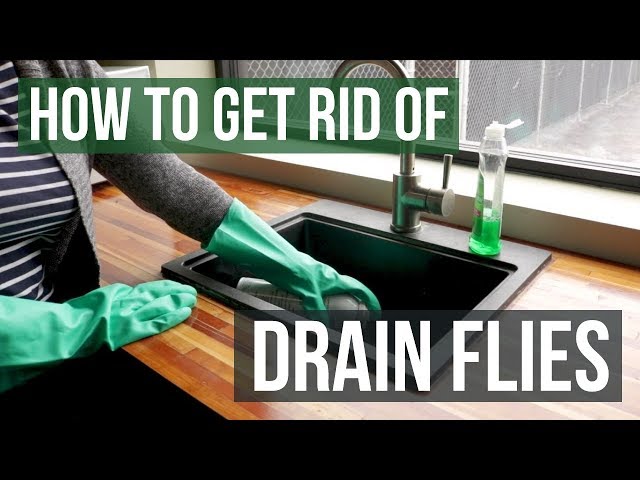
Drain flies, small insects often mistaken for fruit flies, thrive in moist, organic-rich environments like drains, sinks, and garbage disposals. To eliminate these pesky pests, understanding their life cycle and implementing effective control measures is crucial.
Understanding the importance of drain fly control extends beyond aesthetics. Their presence can indicate underlying plumbing issues, such as slow drainage or leaks, which, if left unchecked, can lead to costly repairs. Moreover, drain flies can transmit bacteria, posing potential health risks.
To effectively eliminate drain flies, a multifaceted approach is recommended. Regular cleaning of drains and garbage disposals using hot, soapy water or enzymatic cleaners helps remove organic matter that attracts them. Additionally, using a drain brush to scrub away any accumulated gunk can further deter their presence. For persistent infestations, consider using chemical drain cleaners, but follow the instructions carefully to avoid damaging pipes.
How to Get Rid of Drain Flies
Understanding the essential aspects of drain fly elimination is key to addressing these pests effectively. Here are five key aspects to consider:
- Identification: Distinguishing drain flies from other similar insects, such as fruit flies, is crucial for targeted treatment.
- Prevention: Regular cleaning of drains and garbage disposals, as well as addressing any underlying plumbing issues, can prevent infestations.
- Cleaning: Using enzymatic cleaners or a drain brush to remove organic matter that attracts drain flies is an effective control method.
- Chemical Treatment: In cases of severe infestations, chemical drain cleaners can be used, but caution should be taken to avoid damaging pipes.
- Professional Assistance: For persistent or extensive infestations, consulting a professional pest control service may be necessary.
These aspects are interconnected and addressing them comprehensively provides a holistic approach to drain fly elimination. Prevention, through regular cleaning and addressing plumbing issues, is essential to avoid infestations in the first place. Early detection and prompt action, such as using enzymatic cleaners or a drain brush, can effectively control infestations before they escalate. In more severe cases, chemical treatment or professional assistance may be necessary to eradicate the problem. Understanding these key aspects empowers individuals to effectively address drain fly issues, ensuring a cleaner and healthier living environment.
Identification
Effective drain fly control begins with accurate identification. Distinguishing drain flies from other similar insects, such as fruit flies, is paramount for targeted treatment, as different species may require specific control measures.
- Physical Characteristics: Drain flies are typically smaller than fruit flies, with hairy bodies and moth-like wings. They are often found near drains, sinks, and other moist areas, while fruit flies are more commonly found near ripening fruits and sugary substances.
- Behavior: Drain flies are slow-moving insects that often hover near drains or fly in short, erratic bursts. Fruit flies, on the other hand, are more active and agile fliers.
- Breeding Sites: Drain flies breed in moist, organic-rich environments, such as drains, garbage disposals, and clogged pipes. Fruit flies prefer to lay their eggs in fermenting fruits and vegetables.
- Damage: Drain flies can transmit bacteria and contribute to drain clogs, while fruit flies primarily cause spoilage of food.
Accurate identification allows for targeted treatment, ensuring that the most effective control measures are implemented. Misidentification can lead to ineffective treatment and prolonged infestations.
Prevention
Regular cleaning of drains and garbage disposals, as well as addressing any underlying plumbing issues, plays a crucial role in preventing drain fly infestations. Drain flies thrive in moist, organic-rich environments, making drains and garbage disposals ideal breeding grounds. By keeping these areas clean and free of debris, you can eliminate their preferred habitat and discourage them from infesting your home.
Underlying plumbing issues, such as slow drainage or leaks, can also contribute to drain fly infestations. These issues create the moist conditions that drain flies need to survive and breed. By addressing these plumbing problems promptly, you can eliminate potential breeding sites and make your home less attractive to drain flies.
The importance of prevention in drain fly control cannot be overstated. By taking proactive measures to keep drains and garbage disposals clean and addressing any underlying plumbing issues, you can prevent infestations before they start. This not only saves you time and effort in dealing with drain flies but also helps to maintain a cleaner, healthier living environment.
Cleaning
Cleaning plays a crucial role in the effective elimination of drain flies. Drain flies thrive in moist, organic-rich environments, and removing the organic matter that attracts them is essential for long-term control. Enzymatic cleaners and drain brushes are two effective tools for this task.
Enzymatic cleaners contain enzymes that break down organic matter, including food residue, grease, and hair, which are common attractants for drain flies. Using enzymatic cleaners regularly helps to keep drains and garbage disposals clean and free of debris, making them less hospitable to drain flies.
Drain brushes are another effective tool for removing organic matter from drains. The bristles of the brush can reach deep into the drain and dislodge any accumulated gunk or debris. Regular brushing of drains helps to prevent clogs and eliminates potential breeding sites for drain flies.
By using enzymatic cleaners or a drain brush to remove organic matter, you can effectively control drain fly infestations and maintain a cleaner, healthier living environment. Regular cleaning is an essential component of a comprehensive drain fly control strategy and should be part of every homeowner’s maintenance routine.
Chemical Treatment
Chemical drain cleaners are a potent solution for severe drain fly infestations. These cleaners contain harsh chemicals that dissolve organic matter and kill drain flies on contact. However, it is crucial to exercise caution when using chemical drain cleaners, as they can be corrosive and damage pipes if not used properly.
The effectiveness of chemical drain cleaners lies in their ability to penetrate deep into drains and dissolve clogs and organic matter that attract drain flies. This eliminates the breeding grounds for drain flies and helps to control infestations. Chemical drain cleaners are particularly useful in cases where enzymatic cleaners or drain brushes have failed to resolve the issue.
It is important to note that chemical drain cleaners should only be used as a last resort, when other methods have proven ineffective. Before using a chemical drain cleaner, it is essential to read the instructions carefully and follow the recommended safety precautions. Always wear gloves and eye protection, and ensure adequate ventilation. If possible, consult a professional plumber to assess the severity of the infestation and determine the most appropriate course of action.
By understanding the role of chemical treatment in drain fly control and using these products responsibly, homeowners can effectively eliminate severe infestations and maintain a clean and healthy living environment.
Professional Assistance
When dealing with persistent or extensive drain fly infestations, seeking professional assistance from a pest control service is a crucial step towards effective elimination. Professional pest control companies possess the expertise, equipment, and specialized knowledge to address severe infestations that may be beyond the scope of DIY methods.
- Expertise and Training: Professional pest control technicians are trained and certified in the safe and effective use of pesticides and other pest control techniques. They have a deep understanding of drain fly biology, behavior, and the most appropriate methods for their eradication.
- Specialized Equipment: Professional pest control companies have access to specialized equipment, such as industrial-grade drain cleaning machines, that can effectively remove clogs and organic matter from drains, eliminating breeding grounds for drain flies.
- Targeted Treatment: Pest control professionals can identify the source of the infestation and develop a targeted treatment plan to eliminate drain flies at their source. They can also identify and address any underlying plumbing issues that may be contributing to the infestation.
- Prevention and Monitoring: Professional pest control services often include regular monitoring and follow-up visits to prevent re-infestations and ensure the long-term effectiveness of the treatment.
By seeking professional assistance, homeowners can benefit from the expertise, specialized equipment, and comprehensive approach of pest control professionals. This can lead to the effective elimination of drain fly infestations, the prevention of future problems, and the maintenance of a clean and healthy living environment.
FAQs
This section addresses common questions and concerns regarding drain fly elimination, providing concise and informative answers.
Question 1: What are the signs of a drain fly infestation?
Drain fly infestations are often indicated by the presence of small, moth-like flies hovering near drains, sinks, or garbage disposals. Additionally, slow drainage or persistent clogs may suggest an underlying drain fly problem.
Question 2: What attracts drain flies to my home?
Drain flies are attracted to moist environments with organic matter, such as food residue, grease, and hair. Clogged drains, garbage disposals, and leaking pipes create ideal breeding grounds for these pests.
Question 3: How can I prevent drain fly infestations?
Regularly cleaning drains and garbage disposals, using enzymatic cleaners or a drain brush, and addressing any underlying plumbing issues can effectively prevent drain fly infestations.
Question 4: What is the most effective way to kill drain flies?
Chemical drain cleaners can be effective in eliminating drain flies, but they should be used with caution and according to the manufacturer’s instructions to avoid damaging pipes. For severe infestations, professional pest control assistance may be necessary.
Question 5: How can I get rid of drain fly eggs?
To eliminate drain fly eggs, thoroughly clean drains and garbage disposals with a bleach solution or a commercial drain cleaner. Additionally, boiling water can be poured down drains to kill any remaining eggs.
Question 6: What are the health risks associated with drain flies?
While drain flies are not typically considered a major health hazard, they can transmit bacteria and contribute to unsanitary conditions. Proper cleaning and drain maintenance can help mitigate these risks.
Understanding these FAQs can empower homeowners to effectively address drain fly infestations and maintain a clean and healthy living environment.
For further information or assistance with persistent drain fly problems, consulting a professional pest control service is recommended.
Tips to Effectively Eliminate Drain Flies
To effectively address drain fly infestations and maintain a clean and healthy living environment, implementing the following tips is essential.
Tip 1: Regular Cleaning and Maintenance
Regularly cleaning drains and garbage disposals using enzymatic cleaners or a drain brush helps to remove organic matter that attracts drain flies. Additionally, addressing any underlying plumbing issues, such as slow drainage or leaks, can eliminate potential breeding grounds.
Tip 2: Chemical Treatment for Severe Infestations
In cases of severe infestations, chemical drain cleaners can be used to eliminate drain flies. However, it is crucial to follow the manufacturer’s instructions carefully and exercise caution to avoid damaging pipes.
Tip 3: Professional Assistance for Persistent Problems
For persistent or extensive infestations, seeking professional assistance from a pest control service is recommended. Professional pest control technicians have the expertise and specialized equipment to effectively eliminate drain flies and prevent re-infestations.
Tip 4: Drain Fly Identification and Prevention
Accurately identifying drain flies and understanding their behavior and breeding habits is essential for effective prevention. Eliminating moisture sources, such as clogged drains or leaking pipes, can discourage drain flies from infesting your home.
Tip 5: Boiling Water as a Natural Solution
Boiling water can be poured down drains to kill drain fly eggs and larvae. This natural solution is safe and effective in eliminating infestations without the use of harsh chemicals.
By implementing these tips and maintaining a proactive approach to drain fly control, you can effectively address infestations, prevent their recurrence, and ensure a clean and healthy living environment.
Remember, drain flies not only create an unpleasant nuisance but can also indicate underlying plumbing issues or unsanitary conditions. Regular cleaning, targeted treatment, and professional assistance when necessary are essential for effective drain fly elimination and maintaining a healthy, pest-free home.
Conclusion
Effectively addressing drain fly infestations requires a comprehensive approach that encompasses regular cleaning, targeted treatment, and professional assistance when necessary. By understanding the causes and contributing factors, homeowners can implement proactive measures to prevent infestations and maintain a clean and healthy living environment.
The key to successful drain fly elimination lies in identifying the source of the problem, implementing appropriate control methods, and maintaining a proactive approach to drain maintenance. Regular cleaning of drains and garbage disposals, using enzymatic cleaners or a drain brush, helps to remove organic matter that attracts drain flies. For severe infestations, chemical drain cleaners can be used, but caution should be exercised to avoid damaging pipes. In cases of persistent or extensive infestations, seeking professional assistance from a pest control service is recommended.
Understanding the importance of drain fly control extends beyond aesthetics. Their presence can indicate underlying plumbing issues, such as slow drainage or leaks, which, if left unchecked, can lead to costly repairs. Moreover, drain flies can transmit bacteria, posing potential health risks. By taking proactive measures to eliminate drain flies, homeowners can ensure a cleaner, healthier, and more comfortable living environment.
Youtube Video: